
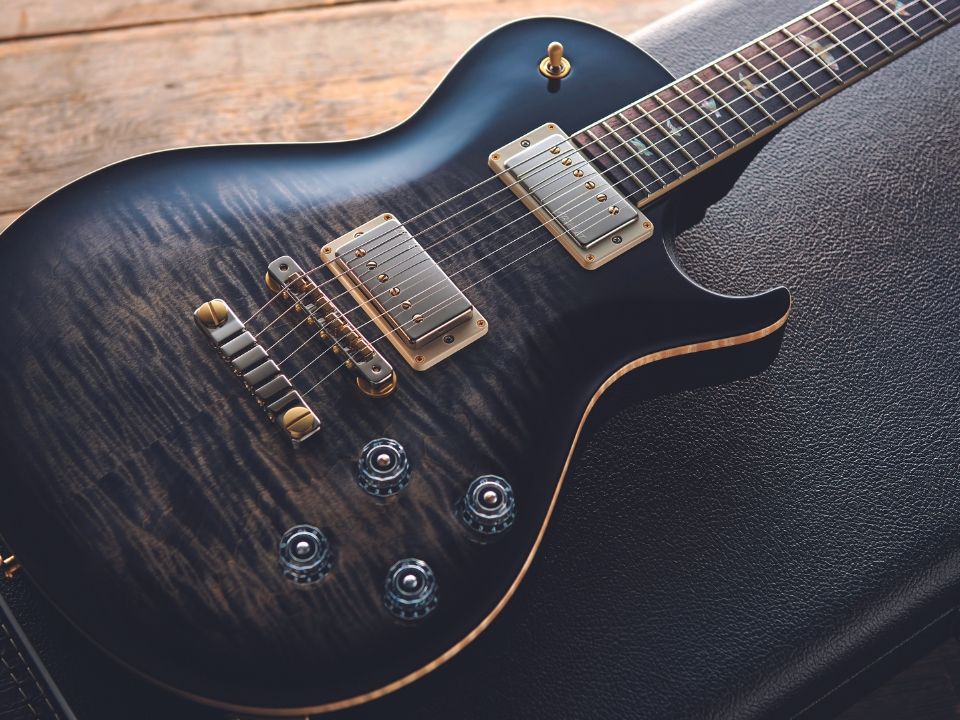
Based on industry evaluation, the global guitar market report provides insights into revenue development, expected CAGR, and overall market direction. It covers market sizing data, forecast trends, and key factors influencing demand. The report helps stakeholders understand how lifestyle changes, digital music exposure, and growing interest among amateur and professional musicians are shaping market expansion across regions.
Market Size and Forecast
In 2025, the guitar market was valued at USD 5.38 Billion.
The market is forecast to reach USD 9.91 Billion by 2034.
Growth is expected at a CAGR of 7.03% during the forecast period.
Rising interest in music learning, live performances, and home entertainment is driving market growth.
The report provides insights into market valuation, future growth trends, and overall industry development. It explains how consumer interest in music, educational programs, and digital content exposure influence market performance. The study also outlines competitive dynamics and regional demand patterns. It serves as a reliable source for long-term market assessment.
Market Segmentation
The market is segmented by product type, application, and distribution channel. These categories help explain consumer preferences, usage patterns, and purchasing behavior across different user groups.
By Product Type
This segment categorizes guitars based on sound output and playing style.
- Acoustic Guitars
Widely used for casual playing and live performances.
Preferred for their natural sound and portability. - Electric Guitars
Used in professional performances and modern music styles.
Known for amplified sound and tonal versatility. - Bass Guitars
Used to support rhythm and depth in music compositions.
Common in bands and studio recordings. - Classical Guitars
Designed for classical and traditional music styles.
Known for nylon strings and softer tones. - Others
Includes specialty and custom guitar models.
By Application
This segment defines guitar usage based on user experience level.
- Professional
Used by musicians for performances and recordings. - Amateur
Used by hobbyists and beginner musicians. - Educational
Used in music schools and training institutions. - Others
Includes casual and experimental usage.
By Distribution Channel
Distribution channels define how guitars reach consumers.
- Online Stores
Provide convenience and wide product selection. - Music Stores
Offer in-store experience and expert guidance. - Specialty Stores
Focus on premium and branded instruments. - Others
Includes direct sales and institutional supply.
Key Players
The market is moderately competitive with several well-established brands.
- Fender Musical Instruments Corporation
Known for a wide range of guitars used by professionals and beginners. - Gibson Brands Inc.
Focuses on premium guitars and iconic designs. - Yamaha Corporation
Offers guitars for beginners, education, and professional use. - PRS Guitars
Known for high-quality craftsmanship and performance guitars. - Taylor Guitars
Specializes in acoustic guitars with modern design features.
Companies are focusing on product quality, design innovation, and expanding global distribution.
Regional Insights
The market shows steady demand across major regions worldwide.
- North America
Strong music culture and high consumer spending support market growth. - Europe
Growing interest in live music and music education drives demand. - Asia-Pacific
Rising participation in music learning supports expansion. - Latin America
Increasing popularity of guitar-based music contributes to growth. - Middle East & Africa
Gradual adoption supported by cultural and entertainment activities.
Information Source:https://www.valuemarketresearch.com/report/guitar-market
No responses yet